
What are the early warning signs of a full septic tank?
Slow drains in more than one fixture at once is the first tell. If your kitchen sink, shower and toilet all back up around the same time, that is not a clogged trap, that is a tank problem. Gurgling sounds from the pipes after you flush mean air is trying to get past wastewater that has nowhere to go. Standing water or unusually green, spongy grass over the drain field is another marker, especially in Frisco's clay-heavy soil where water does not drain away on its own. A sewage odor near the tank lid or in the yard, even faint, should not get ignored. None of these signs mean the same thing as a clogged toilet, and a plunger will not fix a tank problem. If you catch two or more of these together, it is time to schedule septic tank cleaning rather than wait for a full backup into the house. Homeowners who wait usually end up needing emergency septic service instead of a routine visit, and that call always costs more than a planned one, a pattern also worth reading about in septic tank warning signs if you want the full list before it happens again.
Why does a septic tank fail sooner in Frisco?
Household size and tank size drive the pumping interval more than anything else, and that interval runs 3 to 5 years for a typical residential system. A larger family, more laundry, more dishwasher loads, all shorten that window, the same logic used on the septic pumping service page when scheduling recurring visits. Frisco sits inland from The Colony, roughly 8.6 miles southwest, and shares similar clay soil that drains slowly after heavy rain, which means a struggling drain field shows symptoms faster here than it would in sandier ground. Grease is a separate problem: a grease interceptor needs pumping once fats, oils, grease and solids build up to 25 percent of the liquid depth, and homes that pour grease down the kitchen drain load that interceptor, or their main tank, faster than they expect. If you run a restaurant or commercial kitchen instead of a house, ask about grease trap pumping on its own schedule rather than lumping it in with the household tank. For anyone unsure which category their property falls into, septic tank pumping cost breaks out residential and grease interceptor pricing separately so you are not guessing, and the septic tank cleaning page covers what a routine visit actually involves.
Do warning signs mean I need a new tank or just a pumping?
Most of the time, a pumping fixes it. Slow drains, odor and gurgling are almost always volume problems, not structural failure, and a scheduled pumping clears them. Tank replacement is rare and usually only comes up after years of skipped maintenance or a cracked tank found during an inspection, the kind of long neglect that also shows up on properties needing construction site services during a rebuild. That is why the interval matters more than the symptom itself: catching a tank before it is full costs one visit, while ignoring the signs for months can mean a backup into the house, a saturated drain field, or in the worst case, real damage to the system that requires more than pumping. If you are building new or doing a renovation and need something in the meantime, a holding tank rental covers the gap without putting stress on an existing system. And if you are not sure how often your specific household needs service, how often to pump a septic tank walks through the sizing math in more detail than we can here.
When should I call for emergency septic service instead of scheduling a pumping?
Call immediately if sewage backs up into a sink, tub or toilet, if water is pooling over the drain field with a strong odor, or if multiple fixtures stop draining at once with no plumbing snake fixing it. Those are active failures, not maintenance windows, and every hour they sit gets worse and messier, similar to how dumpster permit requirements can turn a simple renovation cleanup into a compliance problem if ignored. A standard pumping visit runs in the $150 to $300 range for a day appointment, while a weekend call for standard service falls in the $50 to $150 range depending on scope. Emergency septic service is built for exactly this situation. Homeowners in Frisco dealing with a sudden backup should not wait for a Monday appointment slot; call as soon as the signs show up rather than after the yard floods, and check porta potty rental in Frisco if the household needs a stopgap restroom during repairs. If the emergency lands on a property with an existing renovation project going on, pairing it with home renovation porta potty service keeps the household functioning while the tank gets sorted out.
| service | duration | typical price |
|---|---|---|
| septic pumping | day | $250 |
| septic pumping | weekend | $100 |
How much does it cost to pump a septic tank in Frisco?
A standard day-rate pumping typically runs $150 to $300, with weekend service in the $50 to $150 range for standard scope. Exact cost depends on tank size and access. See septic tank pumping cost for a full breakdown by tank type.
Can I use my toilets while waiting for a septic pumping appointment?
Limit use if you are seeing slow drains or odor, since every flush adds volume to an already strained tank, and a quick look at how many porta potties do I need helps size a temporary setup for a full household. If the wait is more than a day, a portable toilet rental or porta john rental keeps the household running without more strain on the tank.
Is a bad smell always a sign of a full tank?
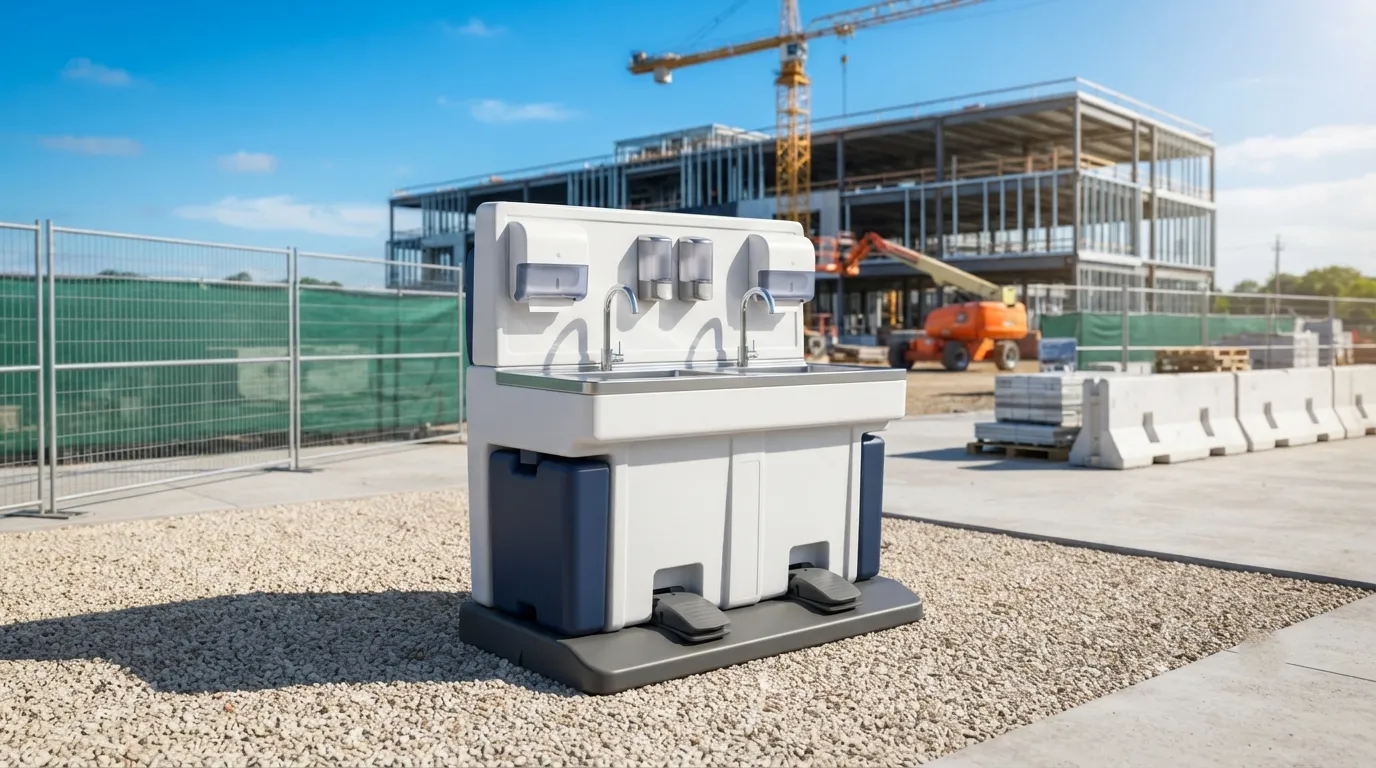
Not always, but it is worth checking. A sewage smell near the tank usually means gas is escaping past a seal or the tank is nearing capacity. It is different from the contaminant-specific washing rule under OSHA 1926.51(f)(1), which applies to job sites, not home septic systems, the same standard referenced on the handwashing station requirements page for contractors.
How often should a Frisco homeowner schedule septic maintenance?
Every 3 to 5 years for a typical residential tank, driven by household size and tank capacity. Larger families or heavy water use shorten that interval. See how often to pump a septic tank for sizing guidance specific to your home.
What is the difference between a septic backup and a grease trap problem?
A septic backup affects the whole house's plumbing; a grease trap problem is usually isolated to a kitchen and tied to fats, oils and grease reaching 25 percent of the liquid depth. Commercial kitchens should book grease trap pumping separately from residential septic service, and larger properties juggling both often add storage container rental for equipment during the work.
Next step
Get a delivery date
Tell us the address, the dates and the headcount. We size the order and confirm the route.