
How Often Does a Septic Tank Need Pumping?
The honest answer is it depends on two things: how big the tank is and how many people are using it. A 1,000 gallon tank serving a family of four runs on the shorter end of that 3 to 5 year window, while a larger tank with fewer occupants can stretch longer between visits. If you are unsure where your Frisco property falls, how often to pump a septic tank walks through the math in more detail. Garbage disposals, laundry habits and even landscaping near the drain field all shift the timeline. Waiting too long risks solids reaching the outlet and clogging the leach field, which turns a routine pump into a repair bill. We also handle grease trap pumping for restaurants and commercial kitchens, since fats, oils and grease build differently than residential waste and need their own service interval. If your property sits closer to Prosper, 8.3 miles north of Frisco, or out toward Celina, 15.0 miles north, we still run the same truck and same crew, no separate dispatch fee tacked on for distance within our normal coverage.
What Are the Warning Signs a Septic Tank Needs Pumping?
Slow drains in more than one fixture at once is usually the first clue, followed by gurgling sounds from pipes and standing water or unusually green grass over the drain field. Sewage odor near the tank or drain field is a signal that should not wait. Full details live on septic tank warning signs, but the short version is this: if two or more fixtures back up at the same time, that is a tank problem, not a single clogged pipe. Sinks that gurgle when the toilet flushes point to the same root cause. Homeowners searching for a "septic tank pumping service near me" are usually already seeing one of these signs, not planning ahead, and that is fine. We schedule same-week service in most of Frisco and can move faster if the signs point to an active backup. For sites where a full septic system is not installed yet, or where one has failed, a holding tank rental can bridge the gap without shutting the property down.
What Does a Septic Pumping Service Include?
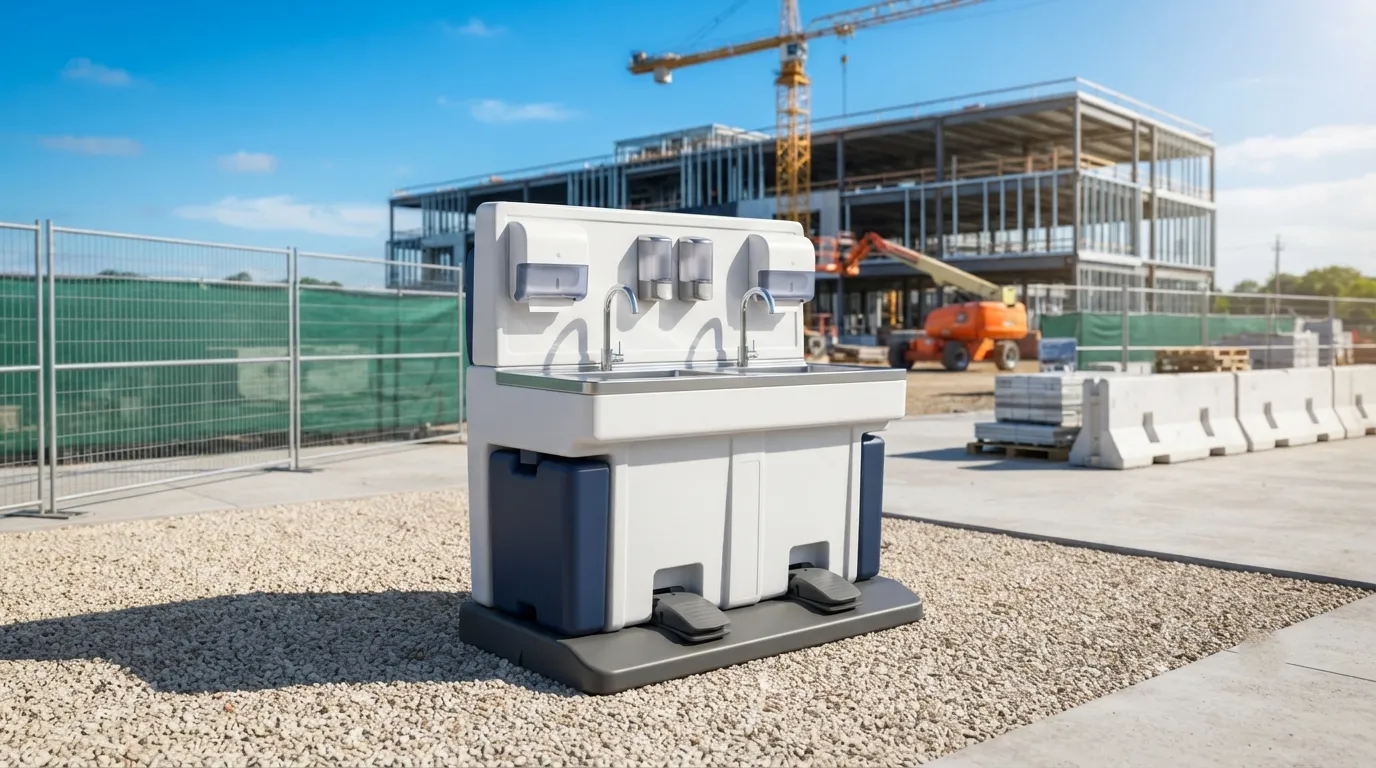
A standard visit includes locating and uncovering the access lid, pumping the tank fully, and a visual check of the baffles and tank walls for cracks or wear. We also note liquid level and scum layer thickness, since that tells us whether your pumping interval needs adjusting. This is different from septic tank cleaning, which goes a step further with a more thorough interior rinse. For commercial kitchens, a grease interceptor is pumped once fats, oils, grease and solids reach 25 percent of the liquid depth, a threshold that has nothing to do with a calendar date and everything to do with what is actually in the tank. That is why restaurants on a fixed monthly schedule sometimes still need an unscheduled pump between visits. If your event or job site needs sanitation instead of tank service, our portable toilet rental and portable restroom rental lines cover that separately, and construction site services bundles restrooms with dumpsters and fencing for active build sites around Frisco.
What Does Septic Tank Pumping Cost?
Pricing depends mostly on tank size and access, not on the day of the week you call, though weekend service does carry a premium. Below is the band we work within for standard septic pumping visits.
| Service | Duration | Typical Range |
|---|---|---|
| Septic pumping visit | day | $150 to $300 |
| Septic pumping visit | weekend | $50 to $150 |
Those numbers reflect a standard residential tank with normal access; a tank buried under decking or landscaping, or one that has gone past its interval and built up solids, can push toward the top of that range. For a full cost breakdown by tank size and property type, see septic tank pumping cost and septic pumping service for our general rates page. If you are comparing this against portable sanitation costs for a job site instead, porta potty rental cost and porta potty rental per day break those out separately, and monthly porta potty rental covers extended jobs. We also serve surrounding cities on the same trucks, including The Colony at 8.6 miles southwest and Little Elm at 10.3 miles northwest of Frisco.
Do You Offer Holding Tank Service?
Yes. A holding tank works differently than a septic system since it has no drain field; it just stores wastewater until it is pumped out, which makes it useful for construction trailers, remote sites, or properties waiting on a septic system repair. Our holding tank rental page covers sizing and delivery, and we pair it often with temporary power pole setups or mobile office trailer rental on active job sites where a permanent restroom is not yet an option. For sites that need both sanitation and standard toilets, we combine holding tanks with standard porta potty rental or, for accessibility needs, ADA accessible porta potty units that meet ADA Standards section 213.2 for clustered unit accessibility. Crews on a tight footprint sometimes ask about a restroom trailer rental instead, particularly the 2 stall restroom trailer for smaller sites, which pairs with a holding tank when there is no sewer hookup nearby.
Do You Handle Emergency Septic Calls?
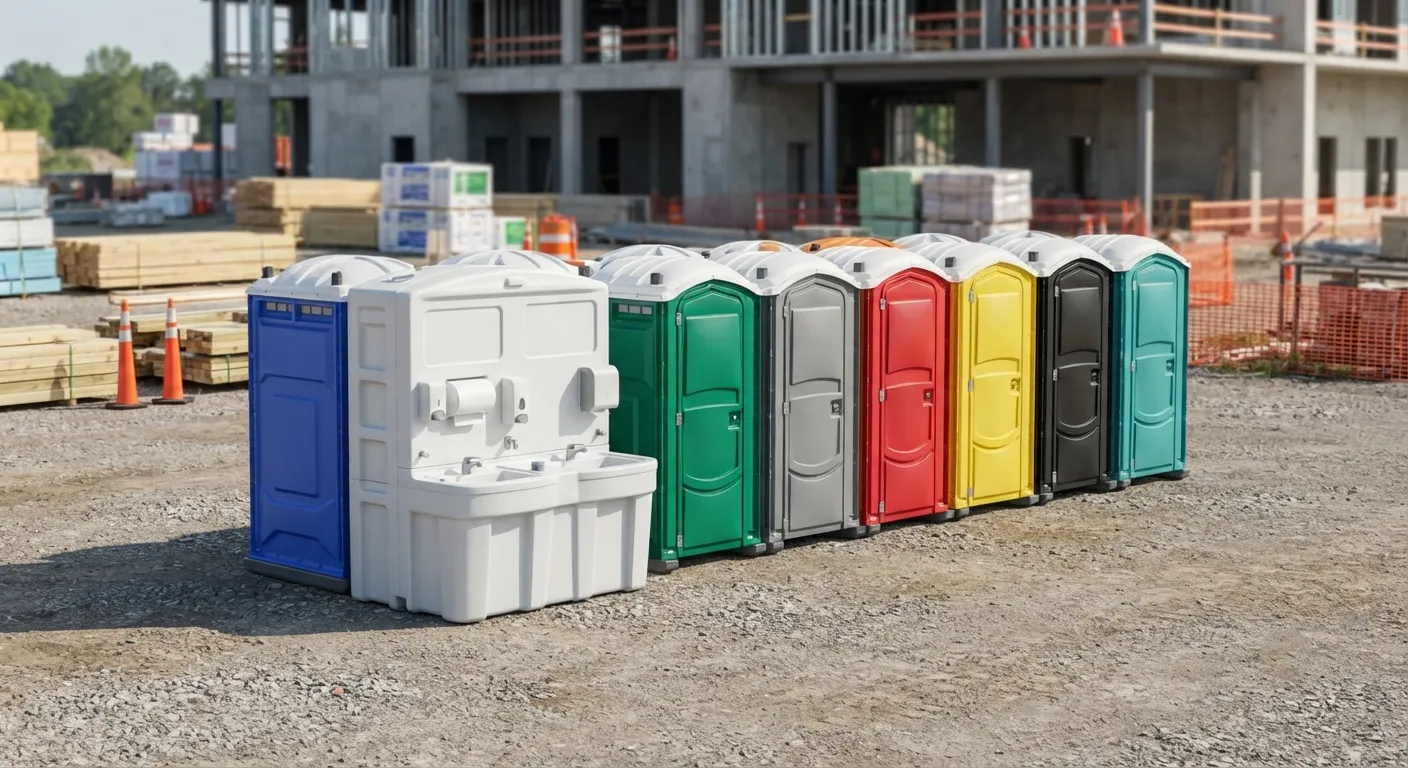
Yes, and it is one of the more common reasons people call us at all. A tank backing up into the house, or a drain field that has surfaced sewage after heavy rain, is not something that waits for a scheduled slot. Our emergency septic service line handles those calls, and for larger failures we can also dispatch emergency porta potty rental units so a household or job site has working restrooms while the tank issue gets sorted. This matters most for larger families, rental properties, or commercial kitchens tied to grease trap pumping schedules where a failure shuts down operations. For disaster-level situations, whether flooding or infrastructure failure, disaster relief sanitation covers a faster, larger deployment across Frisco and nearby cities like Allen, 12.1 miles east, or Lewisville, 15.1 miles southwest.
How much does septic tank pumping cost near me?
Standard visits run $150 to $300 on a weekday, with weekend service priced separately due to premium scheduling. Tank size, access difficulty and how long it has been since the last pump all affect where in that range your job lands. Ask for a quote based on your specific tank size.
How often should a 1,000 gallon septic tank be pumped?
Every 3 to 5 years is typical for a 1,000 gallon tank, though household size changes that. A larger household with heavy water use sits closer to the 3 year mark, while smaller households can often stretch toward 5.
What are signs my septic tank is full?
Slow drains across multiple fixtures, gurgling pipes, sewage odor, and standing water or unusually green grass over the drain field are the main signs. Any one of these on its own can mean something smaller, but two together usually means the tank needs attention.
Can you pump a septic tank same day?
Often, yes, especially for active backups. Emergency septic service is built for exactly this situation, and we prioritize calls where sewage is already surfacing or backing up into a home or business.
Do you service grease traps for restaurants?
Yes. Grease trap pumping is scheduled based on how much fat, oil, grease and solids have accumulated, generally once that reaches 25 percent of the liquid depth, not on a fixed calendar interval alone.
What is a holding tank and when do I need one?
A holding tank stores wastewater without a drain field, unlike a septic system. It is common on construction sites, at remote properties, or as a temporary fix while a septic system is repaired or installed.
Next step
Get a delivery date
Tell us the address, the dates and the headcount. We size the order and confirm the route.